Category: Blogging

  • Strategies for Collaborating with Influencers in Your Niche

    Strategies for Collaborating with Influencers in Your Niche

    Welcome to our latest WordPress marketing tips post, tailored for solo founders and bloggers looking to boost their online presence. Today, we’ll delve into the world of influencer collaborations and how they can help you expand your reach. Let’s explore effective strategies for partnering with influencers in your niche to promote your blog and connect with a wider audience.

    Identifying the Right Influencers

    When it comes to collaborating with influencers, the first step is to identify the right individuals who align with your brand and target audience. Look for influencers who are active in your niche and have an engaged following. Tools like BuzzSumo, Upfluence, or even manual research on social media platforms can help you discover potential collaborators.

    Engagement and Authenticity

    It’s crucial to prioritize engagement and authenticity over follower count. An influencer with a smaller but highly engaged audience can have a more significant impact on your blog promotion efforts compared to someone with a massive following but low engagement rates.

    Building Relationships

    Approach influencer collaborations as a way to build mutually beneficial relationships. Reach out to influencers with a personalized message, highlighting why you admire their work and how you believe a collaboration could be beneficial for both parties. Building a genuine connection is key to a successful partnership.

    Creating Valuable Partnerships

    Once you’ve identified potential influencers and established initial contact, focus on creating valuable partnerships that benefit both sides. Consider offering influencers exclusive content, early access to your blog posts, or even collaborating on a joint project to leverage each other’s strengths.

    Authentic Content Integration

    Encourage influencers to create authentic content that resonates with their audience while promoting your blog. Avoid overly promotional messages and instead, aim for genuine recommendations and storytelling that align with the influencer’s personal brand.

    Tracking Performance and ROI

    It’s essential to track the performance of your influencer collaborations to understand their impact on your blog’s reach and engagement. Use tools like Google Analytics or social media insights to monitor traffic, conversions, and other key metrics to measure the ROI of your partnerships.

    Case Studies and Success Stories

    To provide a real-world perspective on influencer collaborations, let’s look at a case study:

    Case Study: Blogger X partnered with an influencer in the fitness niche to promote her healthy living blog. By sharing engaging workout videos and wellness tips through the influencer’s social media channels, Blogger X saw a 30% increase in website traffic and a significant boost in newsletter sign-ups.

    Conclusion

    In conclusion, collaborating with influencers in your niche can be a powerful strategy to promote your blog and connect with a broader audience. By identifying the right influencers, fostering authentic relationships, and tracking performance, you can leverage influencer partnerships to enhance your online presence. Ready to take your blog to the next level? Start implementing these strategies today!

    For more tips and insights on solo marketing for bloggers, visit solomarketing.app.

    Photo by bruce mars on Unsplash
  • Understanding and Leveraging Google Search Console

    Understanding and Leveraging Google Search Console

    Welcome, solo founders and bloggers! Today, we dive into a crucial tool for boosting your blog’s visibility: Google Search Console. This powerful platform offers invaluable insights and tools to optimize your website’s performance in search results. Let’s unravel the mysteries of Google Search Console and leverage its features to enhance your online presence.

    What is Google Search Console?

    Google Search Console is a free tool provided by Google that helps website owners monitor, maintain, and troubleshoot their site’s presence in Google search results. It offers essential data about how your site performs in search and provides insights to improve its visibility.

    Key Features and Benefits

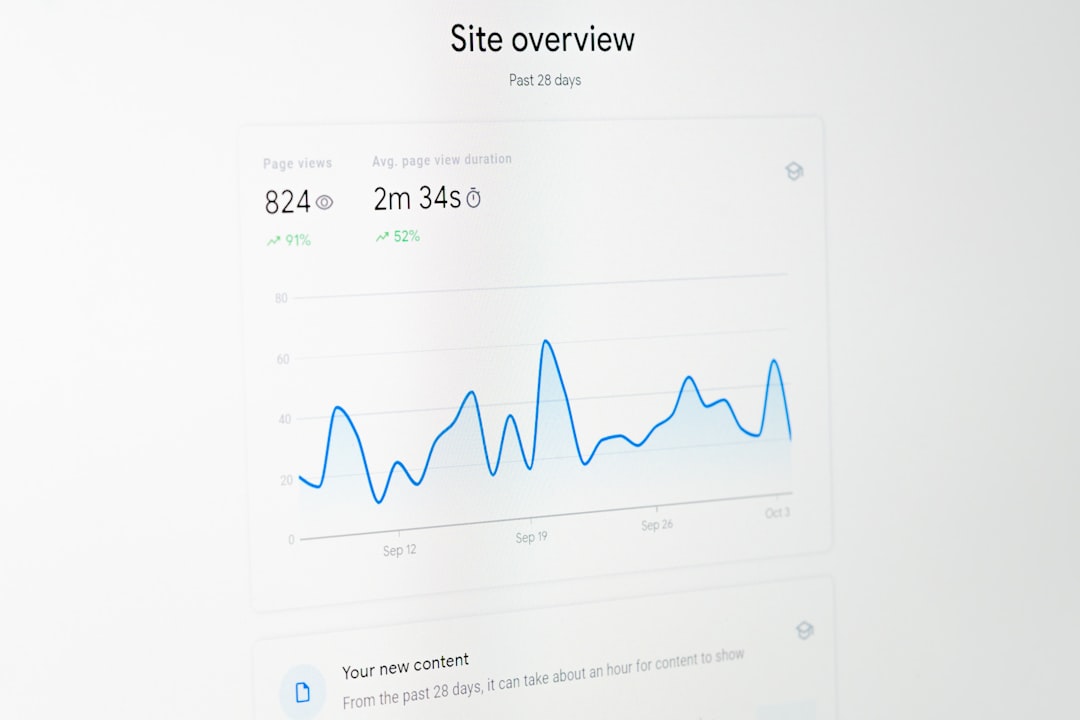
    • Performance Report: Gain valuable data on how your site is performing in search results, including clicks, impressions, and average position.

    • URL Inspection: Check how Google views a specific URL on your site and identify indexing issues.

    • Index Coverage: Monitor the indexing status of your website’s pages and identify any errors or areas for improvement.

    Optimizing Your Blog with Google Search Console

    Now, let’s explore how you can leverage Google Search Console to optimize your blog for better search visibility:

    1. Submit Your Sitemap

    Ensure Google can discover and index all your pages by submitting a sitemap through Google Search Console. This helps Google understand your site’s structure and content better.

    2. Monitor Keywords and Click-Through Rates

    Use the Performance Report to track the keywords that drive traffic to your site and analyze your click-through rates. Identify high-performing keywords and optimize your content around them.

    3. Fix Indexing Issues

    Regularly check the Index Coverage report to identify any indexing errors or issues on your site. Address these issues promptly to ensure all your important pages are indexed correctly.

    Case Study: How a Blogger Improved Their SEO with Google Search Console

    “After implementing suggestions from Google Search Console, I saw a 30% increase in organic traffic to my blog within a month. The insights helped me focus on the right keywords and optimize my content effectively.”

    Take Action and Boost Your Blog’s Visibility!

    Google Search Console is a goldmine of data and insights that can elevate your blog’s presence in search results. By understanding and utilizing its features effectively, you can enhance your SEO efforts and attract more visitors to your site.

    Ready to supercharge your blog’s SEO? Dive into Google Search Console today and unlock its potential for your online success!

    For more expert tips on marketing strategies for solo founders and bloggers, visit SoloMarketing.app.

    Photo by Justin Morgan on Unsplash

  • Utilizing Video Content on Your WordPress Blog

    Utilizing Video Content on Your WordPress Blog

    Welcome to another insightful post tailored for solo founders and bloggers looking to up their WordPress game! In today’s digital landscape, incorporating video content into your blog can significantly boost engagement and diversify your content offerings. Let’s delve into the exciting world of video content creation and explore how you can leverage it effectively on your WordPress blog.

    Why Video Content Matters

    Video content has become a powerhouse in the online realm, capturing attention and driving user engagement like never before. With the rise of platforms like YouTube, Instagram, and TikTok, audiences are increasingly drawn to visual storytelling. By integrating videos into your WordPress blog, you can tap into this trend and connect with your audience on a deeper level.

    How to Incorporate Video Content

    1. Create Video Tutorials

    One effective way to utilize video content on your WordPress blog is by creating tutorial videos. Whether you’re showcasing DIY projects, sharing cooking tips, or offering tech demos, video tutorials are a great way to provide value to your audience and establish yourself as an authority in your niche.

    2. Feature Product Reviews

    Another engaging approach is to include video reviews of products or services related to your blog’s focus. Honest and insightful reviews can build trust with your audience and drive conversions. Be sure to highlight the key features and benefits while keeping your content authentic.

    3. Conduct Interviews or Q&A Sessions

    Adding a personal touch to your blog through video interviews or Q&A sessions can humanize your brand and foster a sense of community. Invite industry experts, influencers, or even your audience members to participate, providing diverse perspectives and valuable insights.

    4. Share Behind-the-Scenes Content

    Peek behind the curtain and give your audience a glimpse of the inner workings of your blog with behind-the-scenes videos. From brainstorming sessions to bloopers, showcasing the human side of your content creation process can resonate with viewers and strengthen their connection to your brand.

    Best Practices for Video Content

    Now that you have some ideas on how to incorporate video content into your WordPress blog, it’s essential to follow best practices to maximize impact:

    • Optimize for SEO: Ensure your video titles, descriptions, and tags are optimized for search engines to improve visibility.

    • Keep it Concise: Attention spans are short online, so aim to deliver your message succinctly and effectively.

    • Promote Across Platforms: Share your videos on social media, newsletters, and other channels to reach a wider audience.

    Get Started with Video Content Today!

    Ready to take your WordPress blog to the next level with engaging video content? Visit solomarketing.app for more tips and resources tailored to solo founders and bloggers. Embrace the power of video storytelling and watch your audience engagement soar!

    Photo by Joey Huang on Unsplash

  • Maximizing Your Blog’s Income with Ad Networks

    Maximizing Your Blog’s Income with Ad Networks

    Welcome, solo founders and bloggers! Are you looking to boost your blog’s income? One effective strategy is to implement ad networks to monetize your blog’s traffic. In this guide, we’ll delve into the world of ad networks and explore how you can maximize your blog’s revenue potential. Let’s get started!

    Understanding Ad Networks

    Ad networks are platforms that connect advertisers with publishers (that’s you!). They facilitate the display of ads on your blog in exchange for a share of the revenue generated. By partnering with ad networks, you can tap into a wide range of advertisers and monetize your blog’s traffic more effectively.

    Types of Ad Networks

    There are various types of ad networks available, each catering to different needs and preferences:

    • Display Ad Networks: These networks offer traditional banner ads that are displayed on your blog.

    • Native Ad Networks: Native ads blend in seamlessly with your content, providing a more organic advertising experience.

    • Video Ad Networks: If you create video content, video ad networks can help you monetize your videos through pre-roll or mid-roll ads.

    Maximizing Your Blog’s Income with Ad Networks

    Now, let’s explore how you can effectively implement ad networks to boost your blog’s income:

    1. Choosing the Right Ad Networks

    When selecting ad networks for your blog, consider factors such as your target audience, traffic volume, and niche. Research and compare different ad networks to find the ones that best align with your blog’s content and audience demographics.

    Example:

    If you have a food blog, you might consider partnering with ad networks that specialize in food and cooking-related ads to ensure relevance and higher engagement.

    2. Optimizing Ad Placements

    Strategic placement of ads can significantly impact your revenue. Experiment with different ad formats and positions on your blog to find the optimal placements that attract clicks without compromising user experience.

    Example:

    Consider placing ads near high-traffic areas such as above the fold or within the content body for maximum visibility.

    3. Monitoring Performance and Experimenting

    Regularly monitor the performance of your ad networks using analytics tools provided by the platforms. Analyze metrics such as click-through rates, RPM (revenue per thousand impressions), and overall revenue. Based on the data, try out different strategies and optimizations to enhance your earnings.

    Example:

    If a particular ad network is underperforming, consider testing different ad types or placements to improve results.

    By implementing these strategies and staying proactive in optimizing your ad networks, you can maximize your blog’s income potential and generate sustainable revenue streams. Remember, success with ad networks requires continuous monitoring, experimentation, and adaptation to ensure optimal results.

    Ready to take your blog’s income to the next level? Start implementing these ad network strategies today and watch your revenue grow!

    For more tips on marketing strategies for solo founders and bloggers, check out SoloMarketing.app.

    Photo by Austin Distel on Unsplash

  • Exploring Guest Blogging Opportunities

    Exploring Guest Blogging Opportunities

    Guest blogging is a mutually beneficial strategy where you write content for other blogs in your niche to reach a wider audience and gain backlinks to your own site. Let’s explore how you can effectively find and leverage these opportunities:

    Finding Guest Blogging Opportunities

    1. Research Relevant Blogs: Identify authoritative blogs in your niche that accept guest posts. Look for websites that align with your expertise and target audience.

    2. Engage on Social Media: Follow industry influencers and engage with their content. This can help you build relationships and increase your chances of securing guest blogging opportunities.

    Leveraging Guest Blogging

    1. Craft High-Quality Content: When pitching guest post ideas, ensure your content is well-researched, engaging, and offers value to the host blog’s audience.

    2. Include Relevant Links: Strategically include links back to your own blog within the guest post to drive traffic and improve your site’s SEO.

    Case Study: Successful Guest Blogging Strategy

    Meet Sarah, a solo founder who used guest blogging to grow her blog’s readership. By consistently providing valuable content to popular industry blogs, she not only expanded her audience but also established herself as an authority in her niche.

    “Guest blogging has been a game-changer for my blog. Not only did it increase my site traffic, but it also helped me connect with fellow bloggers and industry experts.” – Sarah

    By actively seeking out guest blogging opportunities and delivering high-quality content, Sarah was able to accelerate her blog’s growth and establish a strong online presence.

    Ready to explore guest blogging opportunities and take your blog to the next level? Visit solomarketing.app for more marketing tips tailored for solo founders and bloggers.

    Photo by Fikret tozak on Unsplash

  • Mastering the Art of Copywriting for Bloggers

    Mastering the Art of Copywriting for Bloggers

    Welcome to another insightful post on our blog, dedicated to empowering solo founders and bloggers with effective marketing tips. Today, we delve into the art of copywriting specifically tailored for bloggers. Crafting compelling copy is crucial for engaging your audience, driving traffic, and ultimately achieving your blogging goals. So, let’s master the art of copywriting together!

    The Power of Persuasive Copywriting

    Copywriting is more than just words on a page; it’s about connecting with your audience on a deeper level, evoking emotions, and inspiring action. As a blogger, your copy should resonate with your readers, compelling them to stay, read, and interact with your content.

    Understanding Your Audience

    Before diving into writing, take the time to understand your target audience. What are their pain points, desires, and interests? Tailoring your copy to address these factors will significantly enhance its effectiveness.

    Tips for Crafting Compelling Copy

    • Know Your Goal: Clearly define the purpose of your copy – whether it’s to inform, entertain, or persuade.

    • Use Clear Language: Keep your sentences concise and easy to understand. Avoid jargon that may alienate your readers.

    • Invoke Emotions: Connect with your audience on an emotional level by storytelling or using relatable scenarios.

    • Highlight Benefits: Focus on the benefits your readers will gain from your content or products/services.

    • Call-to-Action: Always include a clear and compelling call-to-action to prompt reader engagement.

    Examples of Effective Copywriting

    “With our step-by-step guide, you can elevate your copywriting skills and captivate your audience like never before.”

    Putting Theory into Practice

    Now that you have the fundamentals down, it’s time to put them into practice on your blog. Experiment with different writing styles, tones, and structures to see what resonates best with your audience. Remember, practice makes perfect!

    For more in-depth insights and actionable tips on mastering copywriting for bloggers, check out Solo Marketing. Let’s elevate your blogging game together!

    Photo by Glenn Carstens-Peters on Unsplash

  • Using Pinterest to Drive Traffic to Your Blog

    Using Pinterest to Drive Traffic to Your Blog

    Welcome to the world of WordPress marketing! As a solo founder or blogger, driving traffic to your blog is crucial for increasing your visibility and reaching a wider audience. One powerful platform that often gets overlooked in blog marketing strategies is Pinterest. In this post, we’ll explore how you can effectively use Pinterest to drive traffic to your WordPress blog.

    Understanding the Power of Pinterest

    Pinterest is not just a platform for finding DIY ideas or recipes; it’s a visual search engine that can drive significant traffic to your blog. With over 400 million monthly active users, Pinterest offers a unique opportunity to showcase your blog content through visually appealing pins.

    Creating Pinterest-Friendly Content

    When it comes to using Pinterest to drive traffic, creating visually engaging content is key. Make sure your blog posts have high-quality images that are relevant to your content. Create vertical pins with catchy titles and descriptions that entice users to click through to your blog.

    Optimizing Your Pinterest Profile

    Your Pinterest profile is your digital storefront, so make sure it’s optimized for maximum visibility. Use keywords related to your blog niche in your profile description and board titles. Organize your boards strategically, with a mix of your own content and curated pins that align with your brand.

    Joining Pinterest Group Boards

    One effective way to expand your reach on Pinterest is by joining group boards. These boards allow multiple contributors to share their content, exposing it to a larger audience. Look for group boards in your niche and follow their guidelines for joining and sharing your pins.

    Utilizing Pinterest Analytics

    Tracking your Pinterest performance is essential to understand what content resonates with your audience. Use Pinterest Analytics to monitor the performance of your pins, identify popular content, and optimize your strategy based on data-driven insights.

    Driving Traffic to Your Blog

    Now that you’ve optimized your Pinterest strategy, it’s time to drive traffic to your WordPress blog. Make sure each pin links back to a relevant blog post or landing page on your website. Use compelling call-to-action descriptions on your pins to encourage users to click through and explore your content.

    Engaging with Your Pinterest Audience

    Building a community on Pinterest involves more than just sharing your own content. Engage with other users by repinning, liking, and commenting on their pins. By being an active member of the Pinterest community, you can attract more followers and drive traffic back to your blog.

    Conclusion

    Using Pinterest to drive traffic to your WordPress blog is a valuable marketing strategy for solo founders and bloggers. By creating visually appealing content, optimizing your profile, and engaging with the Pinterest community, you can increase visibility and attract more visitors to your blog.

    Ready to supercharge your blog traffic with Pinterest? Take action today and start implementing these tactics to see real results!

    For more tips on marketing your blog effectively, check out Solomarketing.app.

    Photo by Dima Solomin on Unsplash

  • Creating and Selling Your Own Digital Products

    Creating and Selling Your Own Digital Products

    Welcome to another WordPress marketing tips post, tailored especially for solo founders and bloggers looking to enhance their digital presence. In this guide, we will delve into the rewarding realm of creating and selling your own digital products. Specifically, we will explore the steps to develop and market digital products like eBooks or courses on your blog.

    Understanding Your Audience and Niche

    Before diving into product creation, it’s crucial to understand your audience and niche. Take time to research their pain points, interests, and preferences. Tailoring your digital products to address specific needs will significantly increase their appeal.

    Research and Ideation

    Start by brainstorming ideas for your digital products. Consider what knowledge or skills you possess that can benefit your audience. Conduct surveys or engage with your audience on social media to gather insights and validate your product ideas.

    Example:

    For instance, if you run a food blog and notice a high demand for healthy dessert recipes, you could create an eBook featuring exclusive guilt-free dessert recipes.

    Creating Your Digital Product

    Once you have a solid product idea, it’s time to bring it to life. Whether you’re crafting an eBook, online course, or digital download, ensure that your content is valuable, well-structured, and engaging.

    Design and Development

    Invest time in designing a visually appealing product that aligns with your brand. If you lack design skills, consider outsourcing this task to a freelancer or using online tools like Canva or Adobe Spark.

    Tip:

    Keep your design simple and professional to enhance the overall user experience.

    Marketing and Selling Your Product

    Creating a digital product is only half the battle; effectively marketing and selling it is equally important. Leverage your blog, social media channels, and email list to promote your product to your audience.

    Launch Strategy

    Plan a strategic product launch to generate buzz and excitement. Offer special discounts or bonuses for early adopters to incentivize sales. Consider collaborating with influencers or fellow bloggers to expand your reach.

    Example:

    Hosting a live webinar where you provide a sneak peek into your course content can entice potential buyers and build anticipation.

    Conclusion

    In conclusion, creating and selling your own digital products can be a rewarding venture for solo founders and bloggers. By understanding your audience, developing valuable products, and implementing effective marketing strategies, you can successfully monetize your blog and grow your online presence.

    Ready to take the next step in your digital product journey? Visit SoloMarketing.app to explore additional resources and tools to elevate your online business.

  • Advanced SEO Techniques for WordPress Bloggers

    Advanced SEO Techniques for WordPress Bloggers

    Welcome to our latest blog post tailored specifically for solo founders and bloggers looking to level up their WordPress SEO game. In this comprehensive guide, we will delve into advanced SEO techniques to help boost your blog’s visibility and ranking on search engines.

    Understanding Advanced SEO Techniques

    Search engine optimization is crucial for driving organic traffic to your WordPress blog. While basic SEO practices are essential, advanced techniques can take your website to the next level.

    1. Conduct Comprehensive Keyword Research

    Keyword research forms the foundation of your SEO strategy. Utilize tools like Google Keyword Planner or SEMrush to identify high-volume, low-competition keywords relevant to your content. Incorporate these keywords strategically throughout your blog posts to increase visibility.

    2. Optimize Meta Tags and Descriptions

    Meta tags, including title tags and meta descriptions, play a significant role in how search engines perceive your content. Craft compelling and relevant meta tags for each blog post to entice users to click through to your website.

    3. Improve Site Speed and Mobile Responsiveness

    Google prioritizes websites that offer a seamless user experience. Ensure your WordPress site is optimized for speed and mobile devices to enhance user engagement and decrease bounce rates.

    4. Enhance Internal Linking Structure

    Internal linking helps search engines navigate your site and understand the hierarchy of your content. Incorporate relevant internal links within your blog posts to improve user experience and boost SEO.

    5. Leverage Rich Snippets and Schema Markup

    Rich snippets provide additional context to search engine results, increasing click-through rates. Implement schema markup on your WordPress site to enhance the visibility of your content in search engine results pages.

    Putting It All Into Action

    By implementing these advanced SEO techniques, solo founders and bloggers can significantly improve their WordPress site’s visibility and attract a broader audience. Remember, SEO is an ongoing process that requires monitoring and optimization to stay ahead of the competition.

    For more expert tips on WordPress marketing and SEO strategies, check out Solomarketing.app. Stay tuned for our next post!

    Photo by Myriam Jessier on Unsplash

  • Exploring Different Monetization Strategies for Bloggers

    Exploring Different Monetization Strategies for Bloggers

    Welcome, solo founders and bloggers! In today’s post, we will delve into the intriguing realm of monetization strategies for bloggers. As a content creator, your passion and hard work deserve to be rewarded. Let’s explore various avenues through which you can generate income from your valuable content.

    Diversifying Your Revenue Streams

    One of the key principles of sustainable monetization is diversification. Relying on a single income source can be risky. By exploring multiple revenue streams, you not only increase your earning potential but also create a more resilient financial model for your blog.

    Affiliate Marketing

    Affiliate marketing is a popular choice for bloggers to earn commissions by promoting products or services. By strategically placing affiliate links within your content, you can generate passive income based on the actions of your audience.

    Example:

    Imagine you run a travel blog and recommend a specific luggage brand in your packing tips post. By including an affiliate link to purchase that luggage, you can earn a commission for every sale made through your link.

    Advertising Revenue

    Displaying ads on your blog can be a lucrative monetization strategy. Platforms like Google AdSense allow you to earn money based on clicks or impressions on the ads showcased on your website.

    Example:

    If your blog receives a high volume of traffic, you can capitalize on this by strategically placing banner ads or native ads that align with your content, increasing the likelihood of user engagement.

    Product Sales

    Creating and selling your products, such as e-books, online courses, or merchandise, is a direct way to monetize your expertise and loyal audience. This approach not only generates revenue but also strengthens your brand identity.

    Example:

    If you are a lifestyle blogger focusing on sustainable living, you could develop an e-book guide on eco-friendly practices and offer it for sale on your blog. Your readers, already interested in the topic, are likely to support your work by purchasing the guide.

    Conclusion: Empowering Your Blog’s Financial Future

    Exploring different monetization strategies opens up a world of opportunities for bloggers to turn their passion into profit. By diversifying revenue streams through affiliate marketing, advertising, and product sales, you can create a sustainable income source while continuing to provide valuable content to your audience.

    Remember, the key is to experiment, analyze what works best for your blog, and adapt your monetization strategy accordingly. Your blog is not just a platform for sharing thoughts; it’s a valuable asset that has the potential to generate income and support your entrepreneurial journey.

    If you’re ready to take your blog’s monetization to the next level, check out Solomarketing.app for expert tips and tools tailored for solo founders like you.

    Photo by micheile henderson on Unsplash