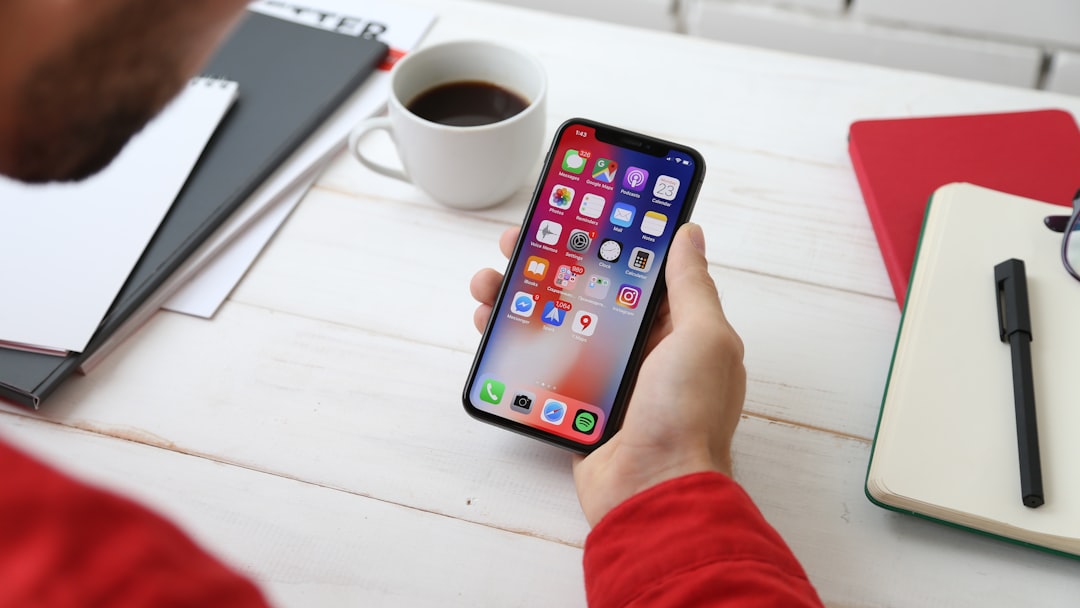
In today’s digital landscape, optimizing your blog for mobile users is not just a good practice but a necessity. With more and more people accessing websites through their smartphones and tablets, ensuring a seamless mobile experience is crucial for engaging visitors and improving your site’s performance. In this post, we’ll delve into the best practices for optimizing your WordPress blog for mobile users.
Why Mobile Optimization Matters
Mobile optimization is essential because a large percentage of internet users now browse the web on mobile devices. If your blog is not optimized for mobile, you risk losing potential readers and customers. Additionally, search engines like Google prioritize mobile-friendly websites in their rankings, so optimizing your blog for mobile can also improve your SEO performance.
Best Practices for Mobile Optimization
1. Responsive Design
Ensure your WordPress theme is responsive, meaning it automatically adjusts to different screen sizes. This ensures that your blog looks good and functions well on any device, whether it’s a smartphone, tablet, or desktop.
2. Optimize Images and Media
Compress images to reduce load times and consider using lazy loading to improve page speed. Additionally, limit the use of large media files that can slow down your blog on mobile devices.
3. Simplify Navigation
Make sure your menus and navigation are user-friendly and easy to use on mobile devices. Consider using a hamburger menu or sticky navigation bar to maximize space and improve accessibility.
4. Improve Loading Speed
Mobile users expect fast-loading websites. Use tools like Google PageSpeed Insights to identify areas for improvement and optimize your blog for speed.
5. Test Your Blog on Different Devices
Regularly test your blog on various mobile devices to ensure it looks and functions as intended. Pay attention to things like font size, button spacing, and overall layout.
Conclusion
Optimizing your blog for mobile users is not just about improving user experience but also about staying competitive in the digital landscape. By following these best practices, you can ensure that your WordPress blog provides a seamless and enjoyable experience for visitors accessing it on mobile devices.
For more tips on WordPress marketing and optimization, check out solomarketing.app.
Photo by Yura Fresh on Unsplash